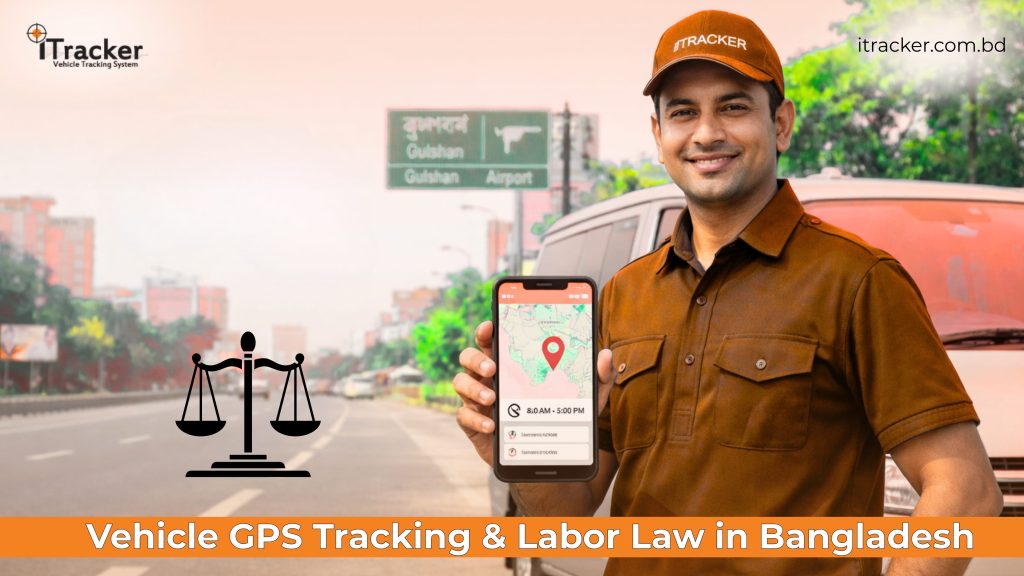
GPS tracking on vehicles is now a necessity for companies in Bangladesh, particularly in logistics, ride-sharing, and corporate transportation. It assists employers in tracking the movement of vehicles, enhancing efficiency, and improving security. Nevertheless, the use of tracking vehicles that are operated by employees also brings up questions of concern in relation to the law and ethical considerations. Employers should be aware of the relationship between GPS monitoring and the labor laws and rights of employees in Bangladesh. iTracker is here to let you know about vehicle GPS tracking & labor law in Bangladesh!
What Is Vehicle GPS Tracking?
Vehicle GPS tracking is a technology that involves the use of satellites to track the real-time location of a vehicle and document it. GPS tracking is a feature where businesses equip their company cars, bikes, trucks, or delivery vehicles with GPS devices to monitor movement, speed, routes, and stops.
Common features include:
- Real-time tracking of vehicle location.
- Route history and playback.
- Speed monitoring and alerts.
- Idle time tracking.
- Protection against theft and recovery.
- Driver behavior analysis.
GPS tracking is common in Bangladesh and is applied by:
- Delivery companies
- Ride-sharing services
- Transport companies and logistics
- Corporate vehicles and offices
- Rental vehicle businesses
This is a technology that enhances operational control, which should be applied with responsibility in the case of employees.
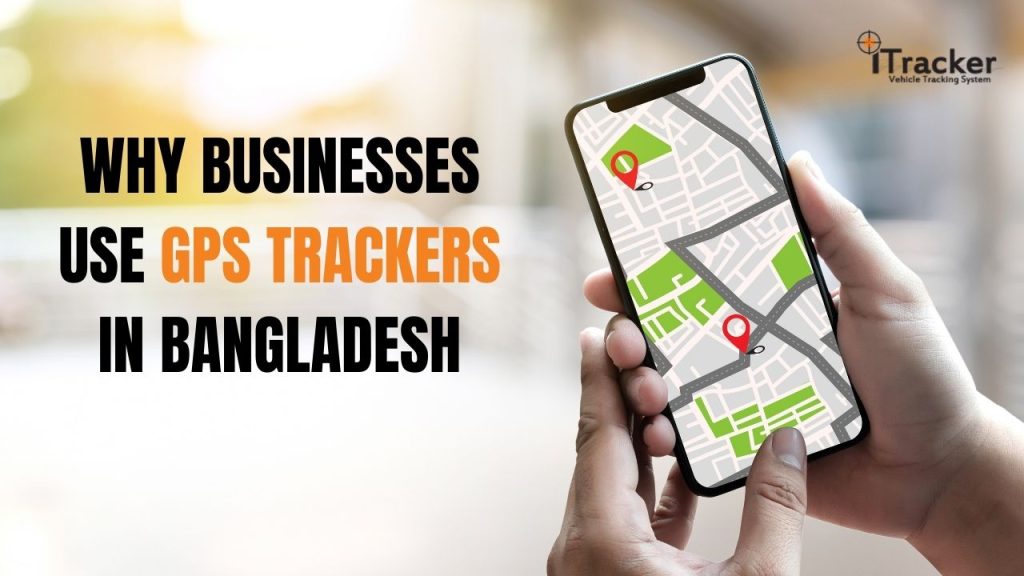
Why Businesses Use GPS Trackers in Bangladesh
GPS tracking has a number of practical and security-related purposes in the eyes of employers. The benefits of the key business include:
Car security and theft detection:
The cases of vehicle theft in Bangladesh are very high annually. GPS assists in the faster recovery of stolen cars and gives security to business owners.
Enhancing the efficiency of operations:
It helps optimize routes and reduce fuel consumption. It improves delivery timing.
Following up on employee productivity:
It monitors the compliance of drivers and stops unsanctioned trips. It minimizes misuse of corporate cars.
Improvement of customer service:
It offers proper delivery time and manages the expectations of clients. It enhances the quality of services. Although these benefits are significant, employers need to balance them with the rights of employees.
Legal Framework: Law and Employee Rights in Bangladesh
Bangladesh is yet to introduce a special legislation that focuses solely on GPS tracking. GPS monitoring is, however, subject to larger employment and labor law principles.
The Bangladesh Labour Act 2006 focuses on:
- Fair treatment of employees
- Guarantee against unjust treatment at the workplace
- Dignity towards employees
The monitoring systems should not be used unlawfully by the employers to infringe upon the rights of the employees or to provide unfair conditions of work. GPS tracking is a sensitive legal area where:
- Tracking is unknown to the employees.
- The monitoring is done during off-work hours.
- Employees are unfairly dealt with using data.
Surveillance is an infringement of individual privacy. The ethical and legal usage should be guaranteed by employers.
Is GPS Tracking a Legal Practice in Bangladesh?
Yes, GPS tracking is not a criminal offense in Bangladesh, provided there are conditions. The employers are free to inspect the company property, including vehicles. This privilege, however, does not take into consideration employee privacy and labor rights.
GPS tracking is normally legal in case:
- The car is owned by the corporation.
- Monitoring is justifiable in business.
- The employees know about it.
- Monitoring is evaluated at the hours of work.
GPS tracking can be legally risky if:
- Workers are monitored covertly.
- Monitoring persists in the process of personal use.
- Data is misused unfairly.
Transparency is the most important legal principle.
Employer Responsibilities When Using GPS Tracking
Those who put up vehicle tracking should be responsible in their practices as an employer. Significant responsibilities consist of:
- Inform employees clearly
Employees should know:
- The GPS devices are fitted in which location
- Why tracking is used
- How data will be used
This leads to trust and avoidance of court disputes.
2. Tracking should be done to serve business purposes
GPS data should not be used for:
- Personal surveillance
- Harassment
- Unfair punishment
The mission should be kept professional.
3. Protect employee data
GPS contains sensitive information. Employers should:
- Store data securely
- Limit access
- Prevent misuse
Ethical business practice involves the protection of data.
4. Respect off-duty privacy
Tracking of employees should not be done during off-work hours unless the vehicle is to be used for business purposes only. Their boundaries have to be respected.
Employee Rights Regarding GPS Tracking
Labor laws and fair workplace practices in Bangladesh protect employees from unfair monitoring. While GPS tracking can support business operations, employees have clear rights that employers must respect.
1. Right to Be Informed
Employees must be clearly informed if GPS tracking is being used. Hidden surveillance can damage trust and may lead to legal conflicts. Transparency helps maintain a healthy employer–employee relationship.
2. Right to Privacy
Even when company vehicles are used, employees are entitled to reasonable privacy. GPS tracking should remain limited to work-related activities and must not extend into personal time or private locations.
3. Right to Fair Use of Data
Location data collected through GPS devices must be used responsibly. Employers should not misuse tracking information or use it in a way that unfairly disadvantages employees. All data must be handled objectively and ethically.
4. Right to Workplace Dignity
Monitoring should never create fear, stress, or humiliation. Employers are responsible for ensuring that GPS tracking does not undermine professional respect or workplace dignity.
Risks of Improper GPS Tracking
When GPS tracking is misused, businesses may face serious legal and operational problems. Common risks include:
Legal Disputes
Employees may file complaints or take legal action due to privacy violations. This can result in financial losses and reputational harm.
Employee Dissatisfaction
Excessive or unclear surveillance often lowers morale. Workers may feel mistrusted, which negatively affects productivity.
High Employee Turnover
Organizations that fail to respect privacy may experience higher resignation rates, increasing recruitment and training costs.
Damage to Company Reputation
Unethical monitoring practices can harm public image and weaken long-term business growth. These risks can be avoided through proper planning and policy enforcement.
Conclusion
GPS vehicle tracking offers clear benefits for businesses, but it must comply with labor laws in Bangladesh. Employers should adopt transparent policies, respect employee privacy, and use tracking data responsibly. Choosing the Best GPS Tracker in Bangladesh and implementing it with clear guidelines can help prevent legal issues while protecting both business interests and employee rights. When used correctly, GPS tracking creates accountability without compromising fairness or trust.