
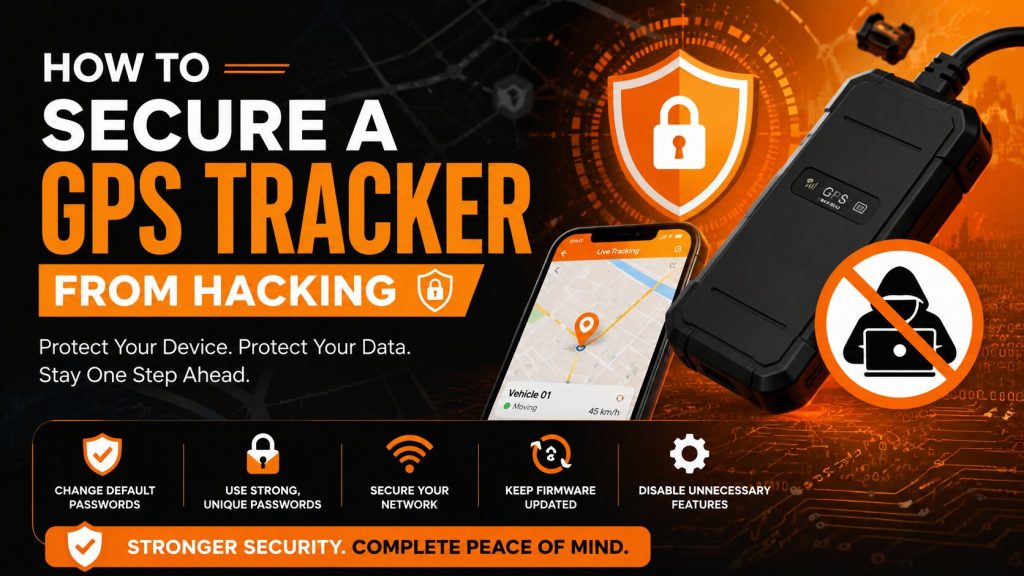
GPS trackers have become a daily necessity for vehicle owners, fleet operators, and businesses across Bangladesh. From personal cars to entire commercial fleets, real-time tracking now plays a central role in keeping vehicles safe and operations running smoothly. But like any connected device, a GPS tracker is only as secure as the system behind it. Without the right precautions, trackers can be exposed to hacking, signal disruption, or unauthorized access putting both your data and your vehicle at risk.
At iTracker, we work with vehicle owners and fleet managers across Dhaka and the rest of Bangladesh every day, and security questions come up constantly. This guide breaks down exactly how GPS trackers get compromised, and what you can do to keep your tracking system locked down.
Where GPS Trackers Are Most Vulnerable
Before you can protect a device, it helps to understand where the weak points actually are. Most security issues with GPS trackers come from a handful of recurring problems:
- Weak or reused login passwords
- Mobile apps with little to no security built in
- Poorly encrypted servers on the provider’s end
- SIM cards that aren’t properly registered or protected
- Physical tampering with the device itself
- Outdated or missing authentication checks
When any of these gaps exist, it becomes possible for someone to view your location data without permission, interfere with the signal, or shut tracking down entirely often without the owner noticing right away.
1. Start With a Strong Login ID and Password
It sounds basic, but weak credentials are still the number one reason tracking accounts get compromised.
A few habits make a real difference:
- Build passwords using a mix of letters, numbers, and symbols
- Never stick with the default password that comes with the device
- Change your password on a regular schedule
- Never share your login with anyone, even temporarily
A strong login is the first wall between your tracking account and anyone trying to get into it.
2. Choose a GPS Provider You Can Actually Trust
The provider behind your tracker matters just as much as the device itself. Before signing up with any service, check whether it offers:
- Encrypted transmission of location data
- Secure, well-maintained cloud servers
- Regular system and security updates
- Solid user authentication protocols
This is exactly why so many fleet operators and individual vehicle owners search for the best GPS tracker in Bangladesh rather than picking the cheapest option available. iTracker was built around this principle stable infrastructure, secure servers, and a tracking environment designed to minimize hacking risk from the ground up.
3. Turn On Two-Factor Authentication
If your provider offers two-factor authentication, use it. There’s really no downside.
Here’s what it adds:
- An extra login step beyond just a password
- Protection even if your password is somehow leaked
- A verification code that has to be entered before access is granted
This one feature alone blocks a large share of unauthorized login attempts.
4. Keep the SIM Card Properly Protected
The SIM card inside your GPS tracker handles all the data transmission, which makes it a target in its own right.
To keep it secure:
- Use a SIM card with a PIN lock enabled
- Never share or display your SIM number publicly
- Register the SIM under the actual user’s name
- Check SIM activity periodically for anything unusual
A compromised SIM card can disrupt the entire tracking connection, so this step shouldn’t be skipped.
5. Don’t Fall Behind on Firmware Updates
Older firmware almost always carries known security gaps that newer versions have already patched.
Make it a habit to:
- Install official firmware updates as soon as they’re released
- Avoid any unauthorized or third-party modifications to the device
- Pay attention to update notifications from your provider
Most security patches are bundled directly into these updates, so staying current isn’t optional if security matters to you.
6. Lock Down App Access
Since most GPS trackers are managed through a mobile app, the app itself becomes another potential entry point.
To stay protected:
- Download apps only from official, verified sources
- Avoid modified or third-party versions of tracking apps
- Log out of any device you’re not actively using
- Review your active login sessions from time to time
A secure app is one of the simplest ways to cut down on data leaks.
7. Set Up Geofencing Alerts
Geofencing does more than mark boundaries on a map — it catches problems early.
With geofencing in place, you can:
- Get notified the moment a vehicle enters or exits a set zone
- Spot unauthorized use of the vehicle almost immediately
- React quickly if there’s any sign of theft
Early alerts like these are often what separates a quick recovery from a major loss.
8. Don’t Overlook Physical Security
Not every threat is digital. Sometimes the easiest way to disable a tracker is simply removing it.
A few practical steps help here:
- Install the tracker somewhere it won’t be easily spotted
- Have it installed by a professional rather than doing it yourself
- Avoid wiring it near easily accessible points in the vehicle
- Check the device’s physical position every so often
Once a tracker is physically pulled out, tracking stops immediately — no amount of digital security can prevent that.
9. Check In on Your System Regularly
Routine monitoring catches problems before they turn into real losses.
Keep an eye out for:
- Sudden, unexplained location errors
- A device going offline without warning
- Login activity you don’t recognize
- Gaps in your tracking updates
Catching these signs early gives you a real chance to respond before something bigger happens.
Why a Trusted Provider Makes All the Difference
The simplest way to avoid most GPS tracker security issues is to start with a system built for security in the first place. A lot of low-cost trackers on the market skip the encryption and server protections that actually keep user data and tracking accounts safe. This is the gap iTracker was built to close. As a trusted name among GPS tracking providers in Bangladesh, iTracker focuses on secure infrastructure, dependable servers, and tightly controlled user access the combination that keeps tracking data accurate and out of the wrong hands.
Choosing a reliable provider is only half the equation, though. Strong passwords, SIM protection, app security, and regular monitoring all need to work together. Security isn’t something a single feature solves on its own it’s the combination of good technology and consistent user habits that actually keeps a GPS tracking system safe.
Common Mistakes That Lead to Hacked Trackers
More often than not, GPS tracking problems trace back to user habits rather than the system itself. The most common ones include:
- Sticking with weak or default passwords
- Sharing login credentials with others
- Ignoring available software updates
- Installing apps from unofficial sources
- Using SIM cards that aren’t properly registered
- Rushing or skipping proper device installation
These small oversights make it far easier for someone to gain access or disrupt monitoring. Many users also simply don’t check their accounts often enough, which means suspicious activity can go unnoticed for far longer than it should. Avoiding these mistakes goes a long way toward keeping a tracking system secure. Regular checks, secure settings, and responsible day-to-day use are what keep performance reliable over time.
Why This Matters More in Bangladesh
GPS tracking has become especially important in cities like Dhaka, where vehicle theft risk runs higher than in many other areas. When a tracking system fails, the consequences go beyond inconvenience recovery slows down, costs add up, and operations can come to a halt.
A properly secured system delivers:
- Accurate, real-time location tracking
- Faster response in theft situations
- Dependable fleet monitoring
- Genuine protection of your data
For both individual vehicle owners and fleet operators, this is exactly why having a dependable system in place isn’t optional. Choosing a provider like iTracker, known for being among the best GPS trackers in Bangladesh, pairs naturally with the security habits outlined above to keep vehicles protected around the clock.
Final Thoughts
Protecting a GPS tracker from hacking comes down to a mix of the right provider and the right habits trusted infrastructure, strong passwords, updated software, and regular attention to how the system is being used. None of these steps are complicated on their own, but together they close most of the gaps that lead to security problems. For vehicle owners and fleet operators across Bangladesh, getting this right matters for both safety and peace of mind. With a trusted solution like iTracker behind it, GPS tracking can stay exactly what it’s meant to be: a reliable, real-time way to keep vehicles safe and accounted for, day in and day out.